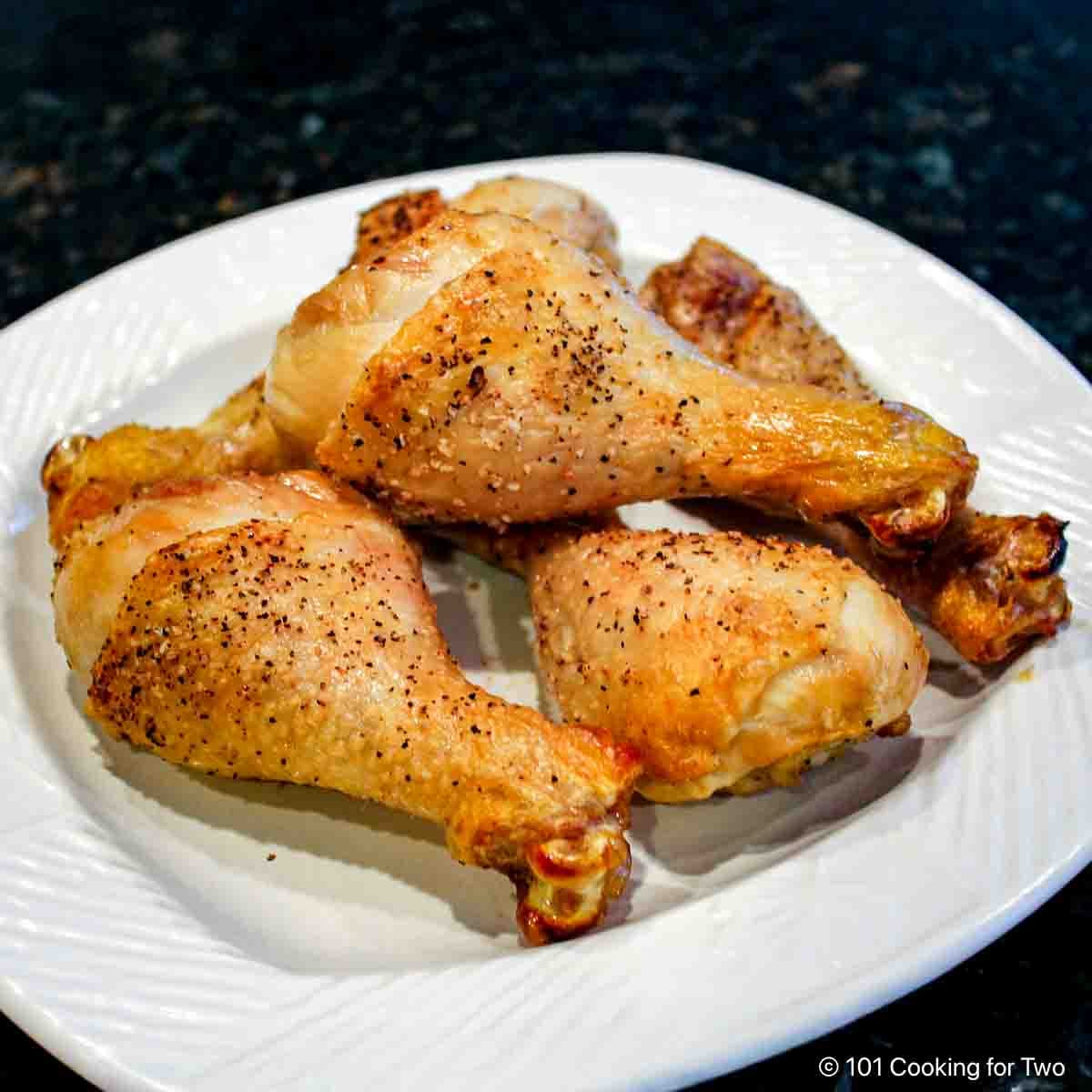
Baked Chicken Legs: Your Ultimate Guide to Smoky, Spicy, and Herby Delights
There are few weeknight dinners as universally beloved and effortlessly satisfying as perfectly
baked chicken legs. This isn't just a meal; it's a culinary canvas, offering a delectable combination of incredibly crispy skin and succulent, juicy dark meat, all infused with a symphony of flavors. Forget complicated preparations and extensive ingredient lists; this no-fuss approach to chicken delivers gourmet results with minimal effort, making it a staple for busy families and seasoned home cooks alike.
The beauty of
baked chicken legs lies in their simplicity and the incredible flavor payoff. Unlike some leaner cuts, chicken legs (whether drumsticks or leg quarters) are inherently forgiving, holding onto moisture even when cooked to golden perfection. This guide will walk you through the foundational recipe and then inspire you to explore a world of taste, transforming your basic chicken into smoky, spicy, or beautifully herbed masterpieces.
The Enduring Appeal of Perfectly Baked Chicken Legs
What makes
baked chicken legs such a timeless classic? It's a combination of factors that appeal to both the palate and the practicalities of everyday cooking. Firstly, bone-in, skin-on chicken cuts offer a depth of flavor and moisture that boneless, skinless options often lack. The bone helps conduct heat evenly, ensuring the meat cooks through without drying out, while the skin crisps up to an irresistible golden-brown texture that's pure joy.
Economically, chicken legs are often a more budget-friendly option, providing substantial, meaty portions that satisfy hungry appetites. And from a preparation standpoint, they are truly a "set it and forget it" kind of dish. With just a few minutes of hands-on work, your oven takes over, leaving you free to focus on side dishes or simply unwind. This hands-off cooking style, combined with the use of readily available pantry spices, truly makes for a
Minute Prep Baked Chicken Legs: Flavorful Dinner with Pantry Spices that you'll return to again and again.
Crafting the Perfect Base: Ingredients and Preparation Fundamentals
Before we dive into the exciting world of flavor variations, let's establish the foundational elements that guarantee success every time you bake chicken legs.
Choosing Your Cut of Chicken
*
Chicken Leg Quarters: These are the star of many recipes, including our reference, comprising the drumstick, thigh, and a portion of the back. They offer a generous, meaty serving and are excellent for roasting. Their larger size means they take slightly longer to cook than individual drumsticks.
*
Drumsticks: If you prefer smaller, individual portions, drumsticks are a fantastic alternative. Just be mindful that their reduced size will likely shorten the baking time. Regardless of your choice, opting for bone-in cuts is key for maximum flavor and moisture retention.
The Essential Role of Oil
A light coating of oil is non-negotiable for achieving that coveted crispy skin and juicy interior.
*
Olive Oil: A popular choice for its flavor profile, it helps the seasonings adhere to the chicken and facilitates browning.
*
Alternatives: Canola, avocado oil, or even melted butter are excellent substitutes, each contributing slightly different nuances to the final dish. The oil acts as a barrier, locking in moisture, and is crucial for creating that golden, crunchy exterior.
The Foundational Spice Blend
A simple yet powerful combination of pantry staples forms the backbone of incredibly flavorful
baked chicken legs.
*
Paprika: Provides a lovely color and mild, sweet pepper notes.
*
Garlic Powder & Onion Powder: These offer a savory depth that penetrates the meat.
*
Dried Thyme: Earthy and aromatic, it's a classic complement to chicken.
*
Salt and Pepper: The fundamental seasonings that enhance all other flavors.
The Critical Step: Patting Dry
This seemingly minor detail is perhaps the most important secret to achieving truly crispy skin. Before applying oil and seasonings, thoroughly pat your chicken legs dry with paper towels. Excess moisture on the skin will steam rather than crisp, preventing that satisfying crunch. Removing surface moisture allows the oil to properly coat the skin, leading to superior browning and crispness.
Once dry, brush the chicken generously with oil, then toss them in your prepared spice mixture until every piece is evenly coated. This ensures that each bite is packed with flavor.
Elevating Your Baked Chicken Legs: Delicious Flavor Variations
Now for the fun part! While the basic seasoning blend is fantastic, the true magic of
baked chicken legs lies in their versatility. With a few simple tweaks, you can transport your taste buds to different culinary landscapes.
Smoky & Spicy Chicken Legs
For those who crave a little heat and a deeper, more robust flavor profile, these variations are a must-try:
*
Smoked Paprika: Directly swap regular paprika for smoked paprika. This instantly infuses your chicken with a rich, woodsy aroma and taste, reminiscent of barbecue.
*
Chili Powder: Add a teaspoon or two of chili powder to the blend for an earthy, mild heat and a beautiful reddish hue. It often contains cumin and other spices, adding complexity.
*
Cayenne Pepper: For a direct kick of heat, a pinch (or more, to taste!) of cayenne pepper is your secret weapon. Start small and adjust to your spice preference.
*
Beyond the Basics: Consider adding a touch of ground cumin for an even deeper, earthier spice, or a dash of chipotle powder for a smoky-spicy punch.
Herby Elegance for Herby Chicken Legs
If you prefer a lighter, aromatic touch, introducing more herbs can transform your chicken into a fragrant delight:
*
Dried Parsley, Oregano, or Italian Seasoning: These can be swapped in or added to your basic blend. Italian seasoning, in particular, offers a convenient mix of traditional Mediterranean herbs.
*
Rosemary and Thyme: While dried thyme is in the base, adding extra dried rosemary (or a few fresh sprigs tucked under the chicken as it bakes) can bring a wonderfully fragrant, piney note that pairs beautifully with dark meat.
*
Sage: A less common but incredibly flavorful addition, especially in cooler months, dried sage offers a warm, slightly peppery aroma.
*
Fresh vs. Dried: While dried herbs are perfect for rubs, finely chopped fresh herbs like rosemary, thyme, or oregano can be mixed with the oil and spices for an even brighter, more vibrant flavor. If using fresh, add them generously as their potency is less concentrated than dried.
Zesty & Bright: Lemon-Pepper Chicken Legs
For a burst of citrusy zest and peppery warmth, lemon-pepper seasoning is a fantastic alternative:
*
Lemon-Pepper Seasoning: Simply toss your oiled chicken legs with a generous amount of lemon-pepper seasoning instead of the standard spice blend.
*
Fresh Lemon Boost: Enhance the experience by adding a few thin slices of fresh lemon directly to the baking sheet alongside the chicken. As they bake, they'll release their aromatic oils, infusing the chicken with a delightful tang. You can also grate some fresh lemon zest into your oil mixture before seasoning for an even more intense citrus punch.
Mastering the Bake: Tips for Juicy Perfection and Crispy Skin Every Time
Achieving that perfect balance of crispy skin and incredibly juicy meat is surprisingly straightforward with a few key techniques. To
Master Crispy, Juicy Baked Chicken Legs: Your Easy Weeknight Guide, pay attention to these crucial steps:
Preheat for Perfection
Always preheat your oven to
425°F (220°C). A hot oven is essential for quickly crisping the skin and searing the exterior, locking in juices.
Smart Baking Set-Up
Line your baking sheet with foil for easy cleanup. For even crispier skin all around, consider placing the chicken legs on a wire rack set over the foil-lined baking sheet. This allows air to circulate underneath the chicken, preventing a soggy bottom.
Baking Time and Temperature
Bake your chicken legs for approximately
35 to 40 minutes at 425°F. However, cooking time can vary based on the size of your chicken pieces and your oven's calibration.
Checking for Doneness and Optimal Tenderness
The minimum safe internal temperature for chicken is
165°F (74°C). Insert an instant-read kitchen thermometer into the thickest part of the meat, avoiding the bone. While 165°F is safe, dark meat in legs and thighs truly shines and reaches optimal tenderness when cooked a few degrees higher, around
170°F (77°C). Don't be afraid to leave them in for an extra few minutes to reach this point for maximum juiciness and fall-off-the-bone texture.
The Power of Resting
Once the chicken reaches its desired internal temperature, resist the urge to cut into it immediately. Cover the baking sheet loosely with foil and let the chicken rest for
10 to 15 minutes before serving. This allows the juices to redistribute throughout the meat, ensuring every bite is incredibly moist and flavorful. The residual heat will also continue to cook the chicken slightly (carryover cooking), further enhancing tenderness.
Conclusion
Baked chicken legs are more than just an easy dinner; they're a celebration of flavor, texture, and simplicity. From the satisfying crunch of their golden skin to the tender, succulent meat within, they offer a comforting and versatile meal that can be effortlessly customized to suit any craving. Whether you're in the mood for a bold, smoky kick, a subtle herby aroma, or a zesty citrus burst, this humble cut of chicken provides the perfect canvas. By understanding the fundamentals and embracing the joy of experimentation, you can confidently turn a basic ingredient into a delicious and memorable dining experience for your family and friends, proving that extraordinary meals don't always require extraordinary effort.